
Generalist or cycling-specialist PR agency? The answer for bike brands
When a bike-industry brand starts weighing up its communications options, sooner or later it runs into this question: is it better to hire a PR agency with a broad, cross-sector portfolio, or to look for one specialised in cycling and the outdoors?
The short answer is: it depends on what you want to achieve. But in most cases, for a cycling brand, specialisation makes a concrete difference.
The media relations problem
Communication in the cycling world has one feature that sets it apart from almost every other industry: the media that matter are few, vertical and very specific. Getting a product into the hands of BikeRadar's testers, landing a review on Tuttobiciweb, being covered by Cyclingnews or featured in the pages of Rouleur are not results you achieve by blasting press releases out to a generic media list.
These newsrooms receive dozens of pitches every day. They respond, gladly, to people they know and trust, people who have shown over time that they understand how those newsrooms work. A generalist agency approaching these media for the first time starts with a structural disadvantage that even the best brief cannot make up for.
A cycling-specialist agency, by contrast, works with those newsrooms continuously. It knows the editorial calendars, knows which stories matter to which desks, and often already has a direct relationship with the journalists and testers covering your segment: road, mountain bike, gravel, cycle touring.
Market knowledge cannot be improvised
Communicating a cycling product requires a baseline knowledge of the industry that cannot be acquired in a few weeks. The racing calendar, the windows when the media are most receptive, the dynamics of online communities, the technical language that separates those who know from those who don't. And the trade-show calendar that sets the rhythm of the bike industry's year:
- Velofollies (Kortrijk, Belgium)
- Taipei Cycle Show (Taiwan)
- CyclingWorld (Düsseldorf, Germany)
- Bike Festival (Riva del Garda, Italy)
- China Cycle (Shanghai, China)
- Sea Otter Classic (Monterey, USA)
- Eurobike (Frankfurt, Germany)
- Italian Bike Festival (Misano Adriatico, Italy)
- Roc d'Azur (Fréjus, France)
- Sea Otter Europe (Girona, Spain)
- Rouleur Live (London, UK)
All of this comes into play every time you work on a product launch, a press trip or a media campaign.
Cycling has gone lifestyle, and that matters in mainstream newsrooms too
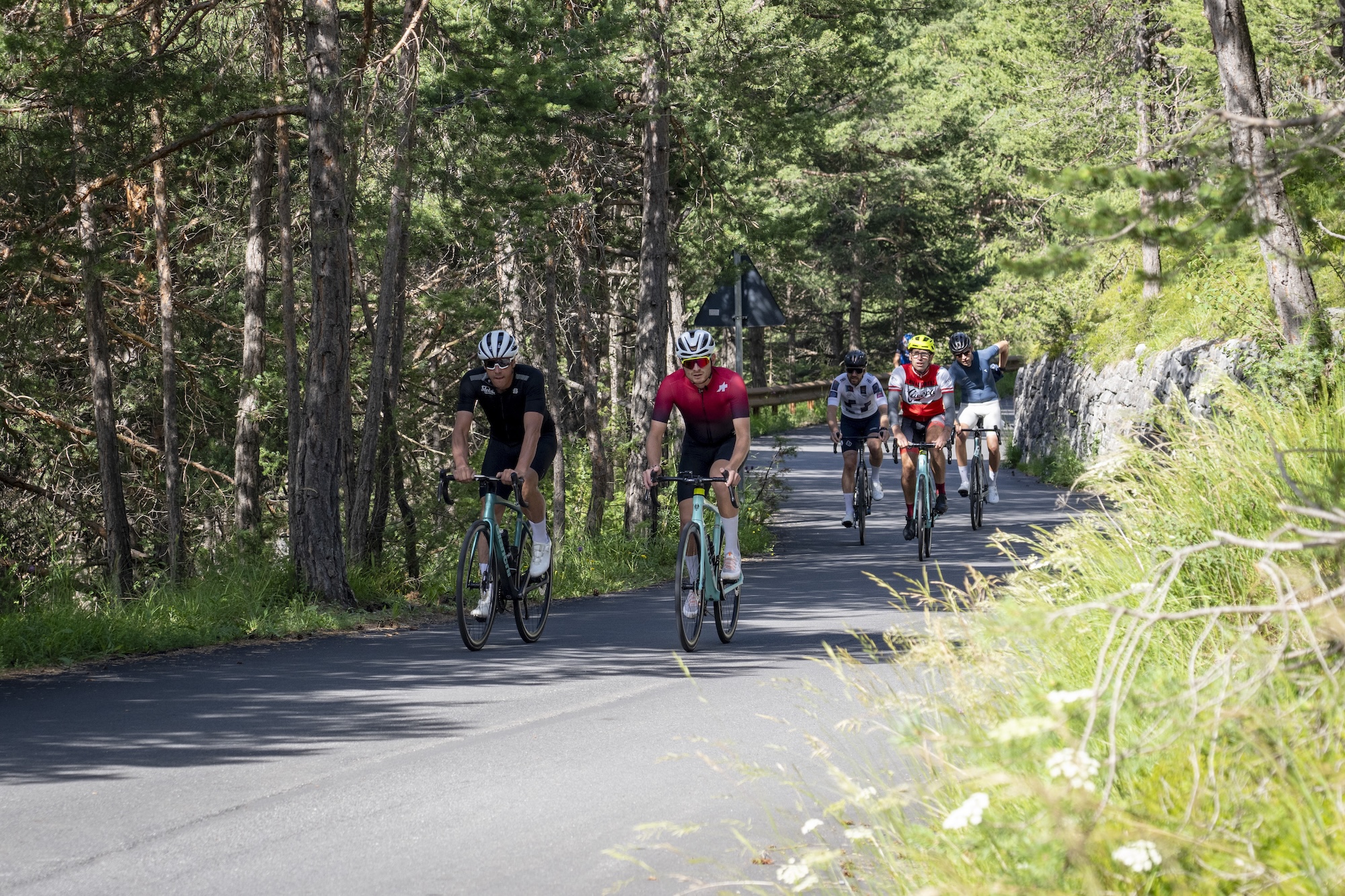
There is also a shift that has redrawn the map in recent years: cycling has broken out of the trade-media bubble and become a lifestyle, cross-cutting phenomenon. Gravel, cycle touring, the bike as a life choice even before a sport. The result is that mainstream newsrooms now have journalists who are at home with the subject, often cyclists and enthusiasts themselves.
Knowing them, or not knowing them, makes quite a difference. The same press release can end up in a newsroom's pile, or reach the one person who will actually be in the saddle that weekend. And this is where the specialist's advantage extends to mainstream media as well: an agency that knows what cards it holds makes the difference, and a big one, there too.
When a generalist can make sense
There are contexts where a generalist agency works well for cycling brands too. If the goal is corporate or financial communication, reputational crisis management, or a project where the bike is marginal to the message, cross-sector experience can be an advantage.
The problem arises when you want one thing and get the other: a brand looking for coverage on Cyclingnews that ends up paying for press releases the trade newsrooms ignore.
How to choose a cycling-specialist PR agency
If you are evaluating a cycling-specialist agency, there are a few things worth asking direct questions about.
Does the portfolio really speak cycling?
A handful of sports clients is not enough. Ask which trade media have actually published content generated by the agency, and for which brands.
Do they work with events too, not just products?
Communicating cycling events is a craft of its own. An agency with experience on both fronts, brands and events, has a far more robust network of contacts.
Do they cover more than one market?
If you are an international brand entering the Italian market, or an Italian brand going global, check that the agency works in several languages and has established relationships with both the local and the international trade press.
Do they understand your specific niche?
Road cycling, mountain bike and gravel have different communities, media and dynamics. An agency that treats them as a single block is probably not specialist enough.
Generalist or specialist: the real question
The "generalist or specialist" question often hides a simpler one: do I want an agency that has to learn my industry while we work together, or one that already knows it?
For a cycling brand that wants concrete results in the media that matter, the answer is almost always the second.
Vitesse is an Italian Media PR and communications agency specialised in cycling, sport, outdoor and active tourism. We have worked since 1991 with bike-industry brands, event organisers and tourism destinations, Alpine and beyond, in Italy and worldwide. Find out who we are or get in touch.